
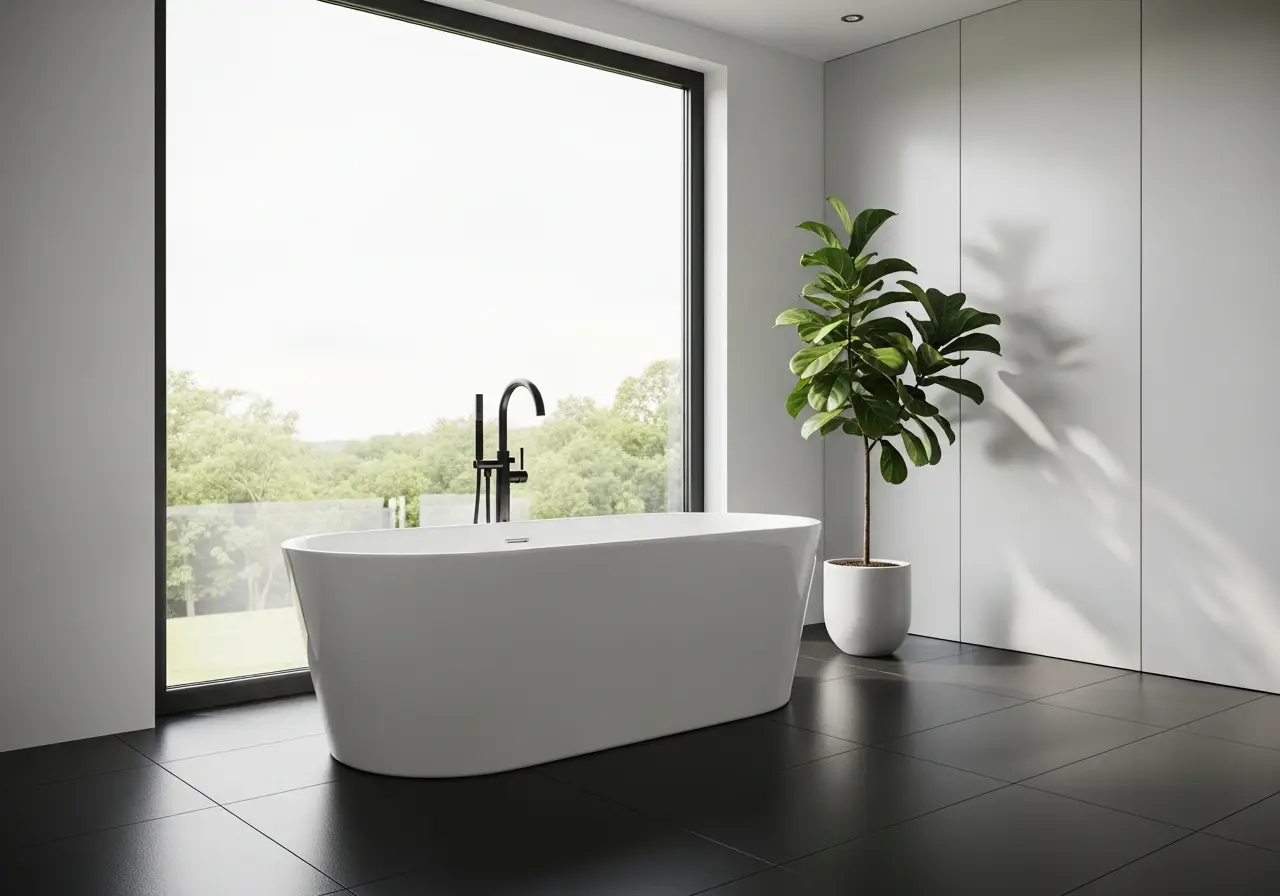
Bathtub Replacement Services
A worn, stained, or dated bathtub can drag down an entire bathroom. Replacing it is a focused upgrade that refreshes the space without a full renovation. Here's what bathtub replacement involves, what it typically costs, and how we connect you with trusted local pros.
Why Replace Your Bathtub?
Bathtubs take a lot of wear over the years. Chips, stains, cracks, and outdated styling are common reasons homeowners decide to replace rather than refinish. A new tub can improve comfort, update the look of the bathroom, and resolve issues like a leaking or undersized basin — all without committing to a full remodel.
Key Benefits
- Fresh, updated appearance that lifts the whole bathroom.
- Better comfort and function — deeper soaking depth, better ergonomics, or a larger basin.
- Leak and damage resolution — replace a cracked or leaking tub before it damages the floor below.
- Improved home appeal — a clean, modern tub is a feature buyers appreciate, and most homes benefit from keeping at least one tub.
- Accessibility options — walk-in tubs and lower-step designs support aging in place.
Bathtub Options
- Alcove tubs — The most common, fitting into a three-walled recess. Affordable and widely available.
- Drop-in tubs — Set into a built deck or surround for a custom look.
- Freestanding tubs — A standalone statement piece; requires floor space and sometimes floor-mounted plumbing.
- Soaking tubs — Deeper basins designed for full immersion.
- Walk-in tubs — A door and low step-in for accessibility and aging in place.
Material choices — acrylic, fiberglass, enameled steel, or cast iron — affect durability, weight, and price.
What's Involved in the Process
- Assessment and selection. A contractor measures the space, checks the plumbing, and helps you choose a tub type and material.
- Demolition. The old tub and surrounding tile or surround are removed; any water damage is addressed.
- Plumbing prep. The drain, overflow, and valve are inspected and updated to fit the new tub.
- Installation. The new tub is set, leveled, and connected. Heavier tubs (like cast iron) may need extra support.
- Surround and finishing. New tile, panels, or a surround is installed, along with the faucet, trim, and caulking.
Typical Timeline
A straightforward alcove tub swap can often be completed in one to three days. Replacing the surrounding tile, switching to a freestanding tub with new plumbing, or installing a walk-in tub can extend the project to several days up to a week, especially when tile or waterproofing needs cure time.
Cost Considerations
The figures below are general estimates based on publicly available industry cost data — not quotes, bids, or guarantees. Your actual price depends on the tub type, material, surround work, your local labor market, and any hidden damage.
| Bathtub Replacement Type | General Estimate |
|---|---|
| Standard alcove tub | $1,500 – $5,000 |
| Drop-in or freestanding tub | $3,000 – $9,000 |
| Walk-in / accessible tub | $5,000 – $15,000+ |
Cost drivers include:
- Tub type and material — Cast iron and freestanding designs cost more than basic acrylic alcove tubs.
- Surround replacement — New tile or panels add material and labor cost.
- Plumbing changes — Freestanding tubs and relocated drains add labor.
- Hidden damage — Rot or leaks discovered behind the old tub are common; budget a 15–20% contingency.
To plan your budget, try the bathroom remodel calculator, review the bathroom remodel cost guide, or browse typical costs by state.
How We Help You Find the Right Contractor
BathroomRemodelAdvisor365 is an informational and contractor referral platform — we don't perform the work ourselves. We make it easy to connect with local contractors who handle bathtub replacement.
- Tell us about your project and we'll match you with qualified pros in your area.
- Compare at least three written quotes to evaluate tub options, surround work, and price.
- Verify before hiring — confirm each contractor's credentials, insurance, and references.
When you're ready, request free quotes or call (833) 848-1227 to get matched with bathtub replacement pros near you.
Prefer a shower instead? A tub-to-shower conversion is a popular alternative — though keeping at least one tub in the home is generally recommended for resale.
Frequently Asked Questions
How much does it cost to replace a bathtub?
How long does bathtub replacement take?
Should I replace or refinish my bathtub?
Can I replace my tub with a walk-in tub?
Related Guides
Figures shown are general estimates compiled from publicly available industry cost data and are for informational purposes only. They are not quotes and do not guarantee any price. Actual costs vary widely by location, scope, and contractor. Always obtain written quotes from qualified contractors before making decisions.
Ready to start your project?
Get free, no-obligation quotes from local bathroom remodeling professionals in your area.