
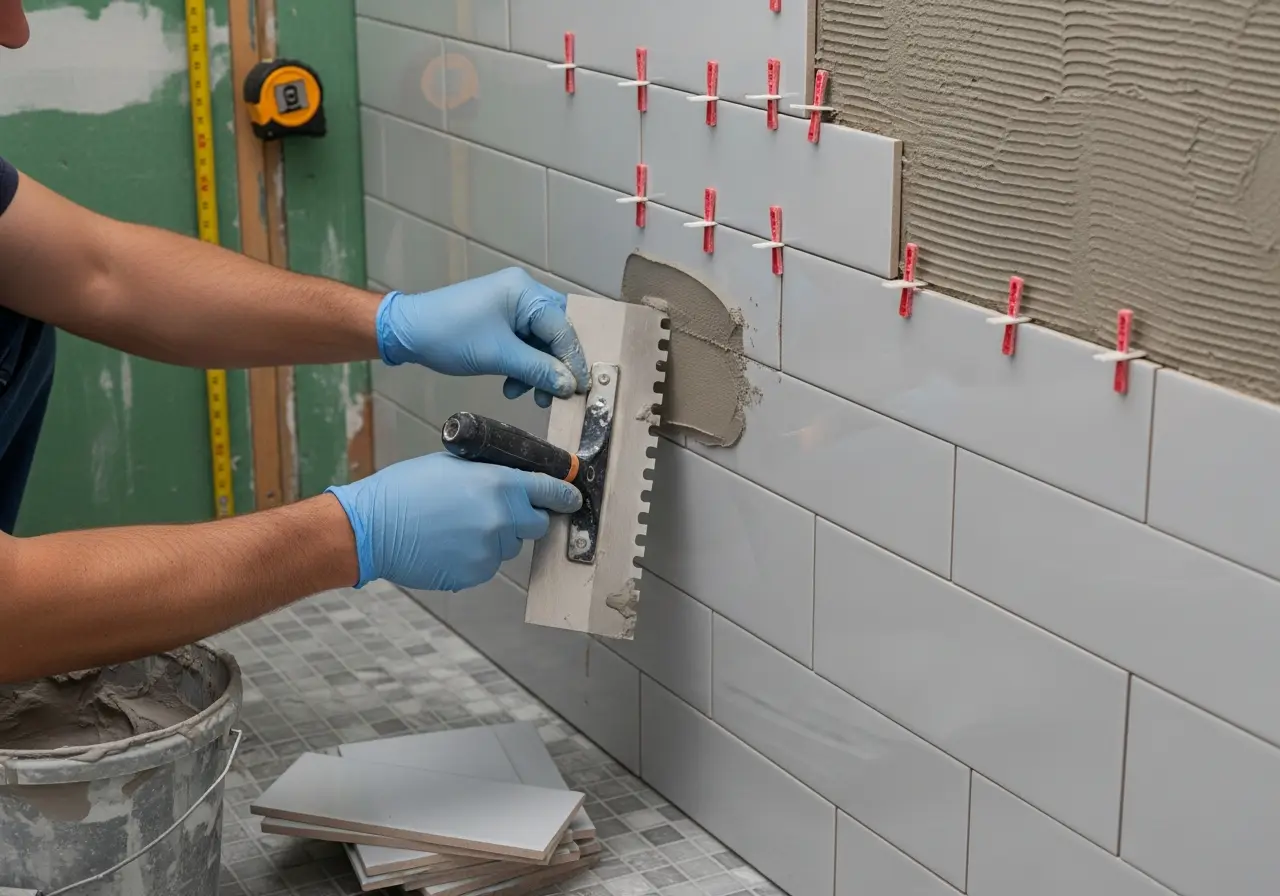
Bathroom Tile Installation
Tile is the foundation of a beautiful, water-resistant bathroom — from shower surrounds and floors to backsplashes and accent walls. Quality tile installation protects against moisture and elevates the entire space. This guide covers tile types, general cost ranges, the installation process, and how to find local tile setters.
Why Professional Tile Installation Matters
Tile does more than look good — it's your bathroom's primary defense against water. Showers, floors, and wet walls rely on properly set tile, waterproofing, and grout to keep moisture out of the structure behind them. Poorly installed tile leads to cracked grout, loose tiles, leaks, and hidden mold or rot.
Because tile work is labor-intensive and unforgiving of shortcuts, it's one of the areas where skilled professional installation pays off most. A great tile job can last decades; a rushed one can fail within a few years.
Where Tile Is Used in the Bathroom
- Shower walls & surrounds — The most demanding application, requiring waterproof membranes behind the tile.
- Bathroom floors — Durable, water-resistant, and available in slip-resistant finishes.
- Tub surrounds — Protect walls around the bathtub and add a finished look.
- Backsplashes — A simple accent behind the vanity and sink.
- Accent & feature walls — Niches, borders, and decorative bands that add character.
Popular Bathroom Tile Types
- Porcelain tile — Dense, durable, and highly water-resistant; ideal for floors and showers.
- Ceramic tile — Affordable and versatile, best for walls and lighter-traffic areas.
- Natural stone — Marble, travertine, and slate offer luxury looks but need sealing and upkeep.
- Glass tile — Popular for accents and mosaics, reflecting light beautifully.
- Mosaic tile — Small tiles on mesh sheets, great for shower floors and decorative details.
Average Bathroom Tile Installation Cost
The ranges below are general estimates from publicly available industry cost data — not quotes. Pricing combines tile materials, setting materials, waterproofing, and labor, and varies with tile type, layout complexity, and your local market.
| Application | Typical Installed Cost (per sq. ft.) |
|---|---|
| Ceramic tile | $7 – $14 |
| Porcelain tile | $9 – $18 |
| Natural stone | $15 – $30+ |
| Mosaic / glass accents | $20 – $50+ |
A tiled shower surround often totals $1,500 – $5,000+, while a tiled bathroom floor commonly falls in the $800 – $3,000 range. For a full project estimate, try our bathroom remodel cost calculator or read the complete bathroom remodel cost guide.
What Affects Your Final Price
- Tile size & pattern — Herringbone, diagonal, and intricate mosaic layouts increase labor.
- Waterproofing — Shower areas require membranes and proper sloping, adding cost.
- Surface prep — Removing old tile and repairing walls or subfloor takes time.
- Tile material — Natural stone and glass cost more in both material and labor.
- Regional labor rates — Skilled tile setters cost more in high-cost metros. See costs by state.
The Tile Installation Process
- Design & layout — Choose tile, grout color, and pattern, then plan the layout to minimize awkward cuts.
- Surface prep & waterproofing — Install cement board or backer board, then apply waterproofing membranes in wet areas.
- Tile setting — Tiles are set in thin-set mortar, spaced evenly, and cut to fit edges and fixtures.
- Grouting — After the mortar cures, joints are filled with grout and cleaned.
- Sealing & finishing — Grout (and natural stone) is sealed, caulk is applied at corners and edges, and the work is inspected.
Typical Timeline
Most bathroom tile projects take 2 to 5 days, with cure times built in:
- Tiled floor only: 2–3 days.
- Full shower surround: 3–5 days, allowing for waterproofing, mortar cure, and grout cure.
- Large or multi-surface jobs: Up to a week or more.
Mortar and grout need time to cure before the shower or floor can be used, so don't rush the schedule — proper cure time is essential to a long-lasting result.
How We Match You With Tile Pros
BathroomRemodelAdvisor365 is an informational and contractor referral platform — we are not a contractor and do not perform tile work. We connect you with tile setters and remodeling professionals in your area.
We recommend collecting at least three written quotes before hiring. Verify each contractor's credentials and insurance, review photos of past tile work, ask for references, and confirm warranty terms in writing.
Tip: Ask to see a tile setter's previous shower installations specifically. Waterproofing is the part you can't see — and the part that matters most.
When you're ready, request free quotes from trusted local tile installers or call (833) 848-1227.
Frequently Asked Questions
How much does bathroom tile installation cost?
What is the best tile for a bathroom?
How long does it take to tile a bathroom?
Do you need waterproofing behind shower tile?
Related Guides
Figures shown are general estimates compiled from publicly available industry cost data and are for informational purposes only. They are not quotes and do not guarantee any price. Actual costs vary widely by location, scope, and contractor. Always obtain written quotes from qualified contractors before making decisions.
Ready to start your project?
Get free, no-obligation quotes from local bathroom remodeling professionals in your area.